


Article: Algae vs. Fish Oil: What the Science Actually Says About DHA

Algae vs. Fish Oil: What the Science Actually Says About DHA
If you take an omega-3 supplement, there's something worth knowing about where that DHA actually comes from.
Fish don't produce omega-3 fatty acids. They accumulate DHA by eating algae. The DHA in every fish oil supplement on the market originated in marine algae — fish are simply the intermediary. Which raises a reasonable question: why not go directly to the source?
The Biology Behind the Difference
DHA (docosahexaenoic acid) is an omega-3 fatty acid that plays a critical structural role in the brain, retina, and cardiovascular system. The human body produces very little DHA on its own, which is why dietary and supplemental sources matter.
Large-scale fermentation of microalgae can yield ten times more long-chain polyunsaturated fatty acids compared to fish from the same amount of biomass. Furthermore, the aquatic environments for microalgae cultivation offer more stable and consistent conditions than terrestrial ecosystems, so seasonal and climate fluctuations have less impact on the growth of microalgae used to produce omega-3 fatty acids.
In practical terms, this means algae-sourced DHA can be produced in controlled, land-based facilities — with no ocean contamination exposure, no heavy metals from marine environments, and no bycatch or overfishing impact.
What the Clinical Research Shows
The most direct question is whether algae-sourced DHA is as bioavailable as fish oil — meaning, does your body actually absorb and use it as effectively?
The research says yes. A randomized double-blind placebo-controlled parallel-group clinical trial analyzed plasma phospholipid levels of 74 adult men and women after 6 and 14 weeks of consuming omega-3 supplements derived from either microalgal or fish oil. The researchers found that the bioavailability of DHA and EPA in plasma phospholipids from microalgal oil supplements was statistically non-inferior compared to fish oil supplements.
Non-inferior in a clinical trial means the two performed equivalently — the algae-sourced DHA raised plasma DHA levels to the same degree as fish oil over the same time period. The original source doesn't diminish the outcome.
Why Source Purity Matters
Beyond bioavailability, there is a meaningful quality difference between DHA derived from ocean-caught fish and DHA derived from controlled microalgae cultivation.
Fish accumulate not only DHA but also environmental contaminants present in the ocean — including heavy metals, PCBs, and dioxins. The quality of a fish oil supplement depends significantly on the processing methods used to remove these contaminants, and on the quality controls in place during manufacturing.
Algae cultivated in controlled, land-based facilities operate outside marine contamination pathways entirely. There is no mercury accumulation in algae. No exposure to ocean-borne pollutants. No risk of contamination from the fishing supply chain.
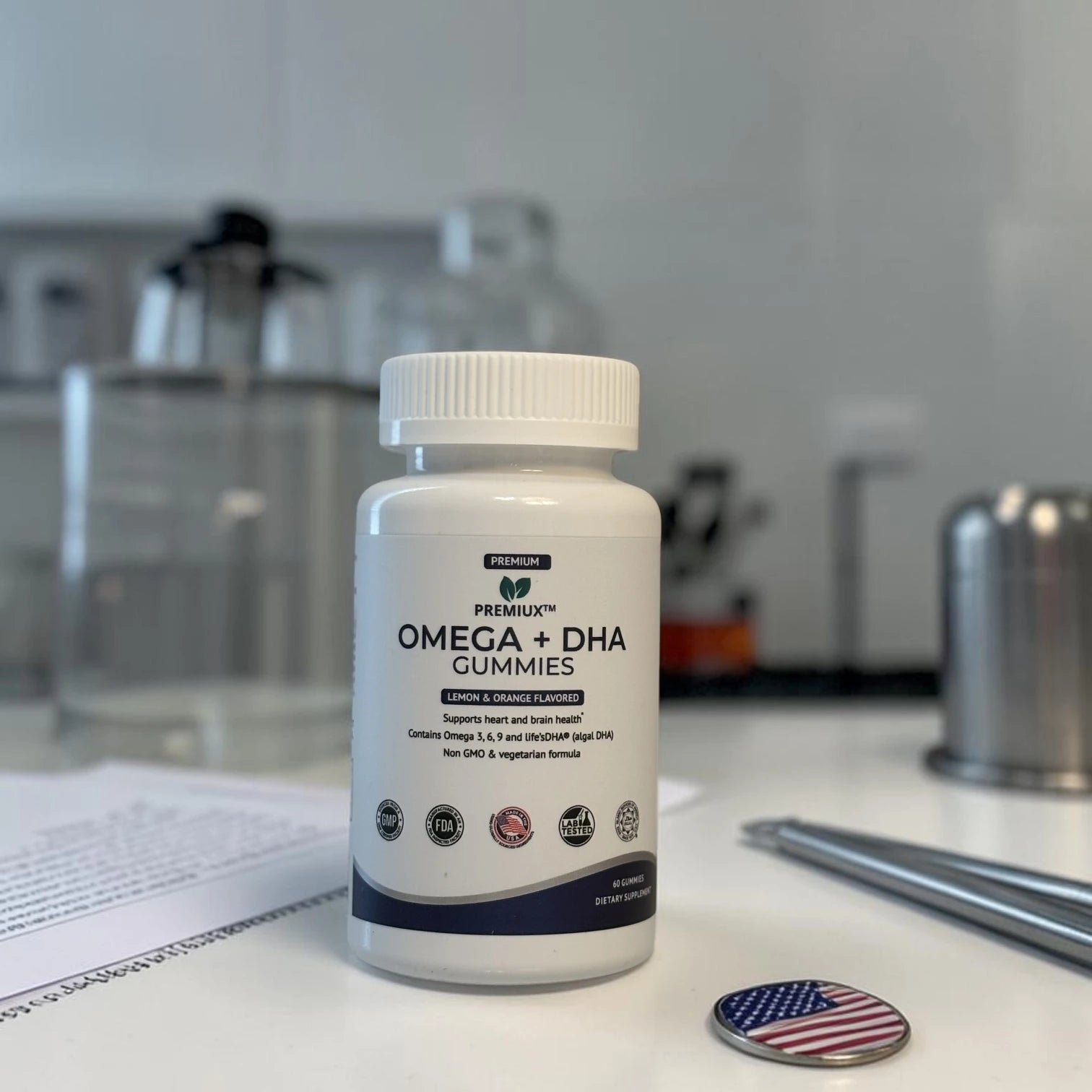
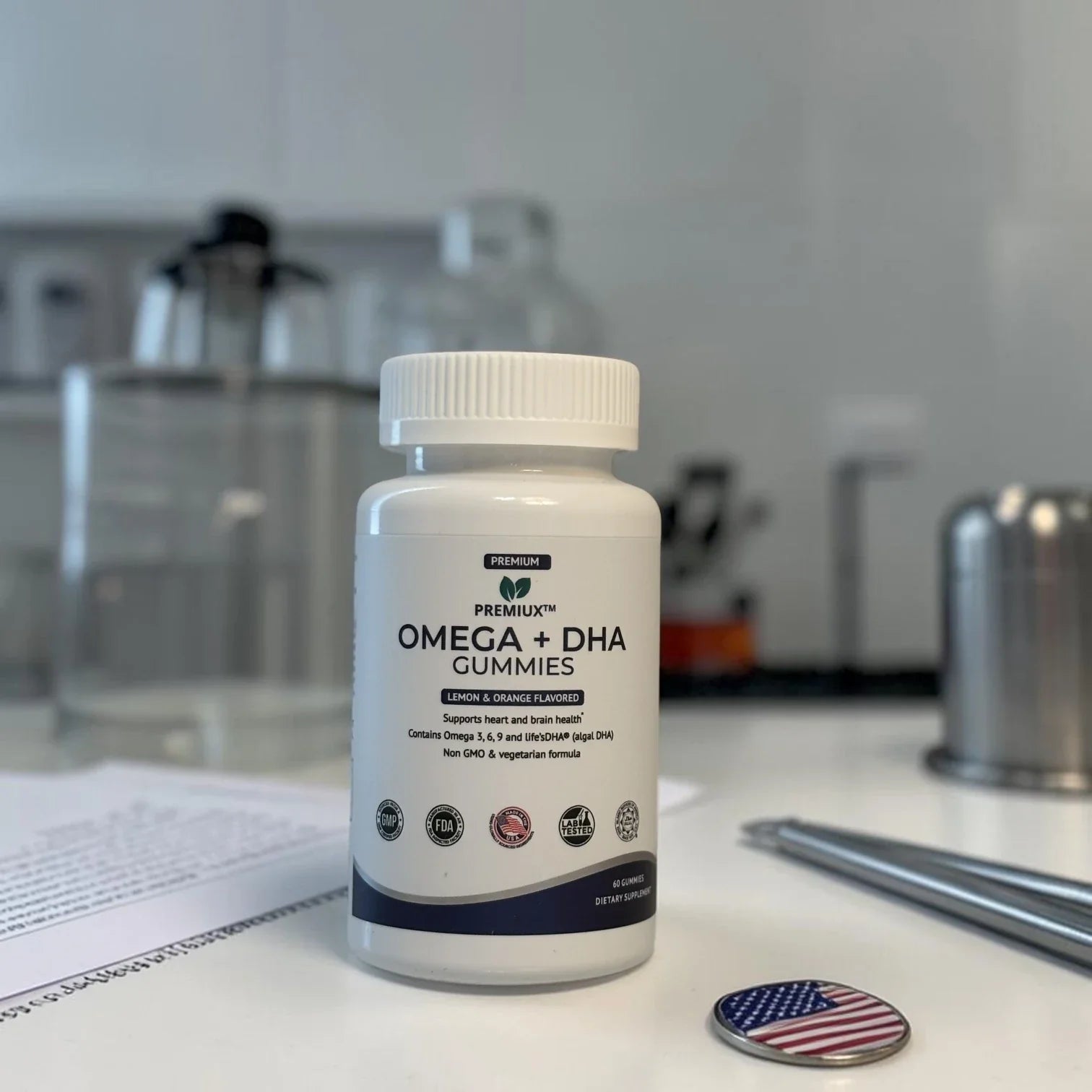
This is why Premiux sources DHA directly from marine algae — specifically life'sDHA® algal DHA from DSM Nutritional Products, a clinically studied branded ingredient that bypasses the fish intermediary entirely and delivers DHA in its most direct, traceable form.
Who Benefits from Algae DHA
The clearest beneficiaries are people who avoid fish for dietary or religious reasons — those who keep halal, vegetarians, vegans, and anyone with fish allergies or sensitivities. For these groups, algae DHA provides the same omega-3 support that fish oil provides, without any of the animal-derived components.
But the advantages of algae DHA — purity, traceability, controlled production, and equivalent bioavailability — are relevant to anyone who takes omega-3 supplementation seriously, regardless of dietary preference.
The Bottom Line
Fish don't make omega-3. Algae do. Going directly to that source gives you equivalent bioavailability, better contamination control, and a cleaner supply chain. The science supports it. The sourcing logic supports it. And for anyone avoiding fish, it makes algae DHA not just an alternative — but the better choice.
These statements have not been evaluated by the Food and Drug Administration. This product is not intended to diagnose, treat, cure, or prevent any disease.
References: Arbab S, et al. Comparative Bioavailability of DHA and EPA from Microalgal and Fish Oil in Adults. International Journal of Molecular Sciences. 2025;26(19):9343. DSM Nutritional Products. life'sDHA® Algal DHA — Clinical and Product Documentation, 2024.

Leave a comment
This site is protected by hCaptcha and the hCaptcha Privacy Policy and Terms of Service apply.