

Article: What's Actually in Your Supplement? The Label Problem Nobody Talks About
What's Actually in Your Supplement? The Label Problem Nobody Talks About
You've read the label. You've checked the ingredients. You've compared brands. You chose the one that looked the most credible.
But what if the label doesn't match what's actually in the bottle?
It's an uncomfortable question — but it's one that the research has already answered. And the answer should change how you buy supplements.
What the Research Found
In 2022, researchers at the Uniformed Services University published a study in JAMA Network Open that analyzed 30 immune health supplements purchased directly from Amazon. Seventeen of the 30 products had inaccurate labels. Thirteen were misbranded, and nine had additional components detected that were not claimed on the label. Not one of the products that failed carried a third-party certification seal.
This wasn't a fringe study. It was published in one of the most respected medical journals in the world, and the findings are consistent with a pattern researchers have documented across multiple supplement categories over the past decade.
A separate 2023 analysis looked at weight-loss supplements sold online to military personnel. Of the 30 products tested, 25 had inaccurate labels — 24 had ingredients listed on the label that were not detected, and 7 had hidden components not present on the label at all.
This is not a rare exception. It is a documented, recurring problem in an industry that does not require independent verification before a product reaches your hands.
Why This Happens
Unlike pharmaceuticals, dietary supplements do not require FDA approval before they go to market. The manufacturer is responsible for ensuring products are properly labeled and safe. Unfortunately, mislabeled and contaminated products are not uncommon.
This means that in the absence of a legal requirement to test, many brands simply don't. They print a label, fill a bottle, and ship it. The label reflects what they intended to put in the product — not necessarily what independent analysis would find.
What Third-Party Testing Actually Means
The term "third-party tested" gets used loosely in supplement marketing. True third-party certification means an independent organization with no financial relationship to the manufacturer tests the product and verifies what's actually inside.
The key distinction is independence. A lab hired and paid by the same company whose product it's testing has an obvious conflict of interest. A genuinely independent third-party lab — one that publishes its results regardless of outcome — is a different standard entirely.
The most transparent version of this is a Certificate of Analysis (COA): a document showing exactly what was found in the tested batch, including potency, purity, and contaminant screening results. If a brand publishes its COA for every batch, you can verify the results yourself. If a brand only displays a badge without linking to the underlying data, the badge is marketing, not evidence.
What to Look for Before You Buy
Before purchasing any supplement, ask these three questions:
1. Is there a third-party certification seal — and is it from a genuinely independent organization? Look for certifications from bodies that have no financial stake in the product's outcome.
2. Can you access the Certificate of Analysis? A COA should be publicly available, batch-specific, and issued by a named laboratory. If a brand can't show you one, there's a reason.
3. Does the label disclose every ingredient and its quantity? The public has a right to know that they are buying what is stated on the label. Any supplement that uses a "proprietary blend" without disclosing individual ingredient amounts is withholding information you have every right to see.
Why This Matters More Than Price
A supplement that doesn't contain what it claims isn't just a waste of money — it's a product that cannot do what you're taking it for. Underdosed ingredients produce no result. Unlisted ingredients carry unknown risk.
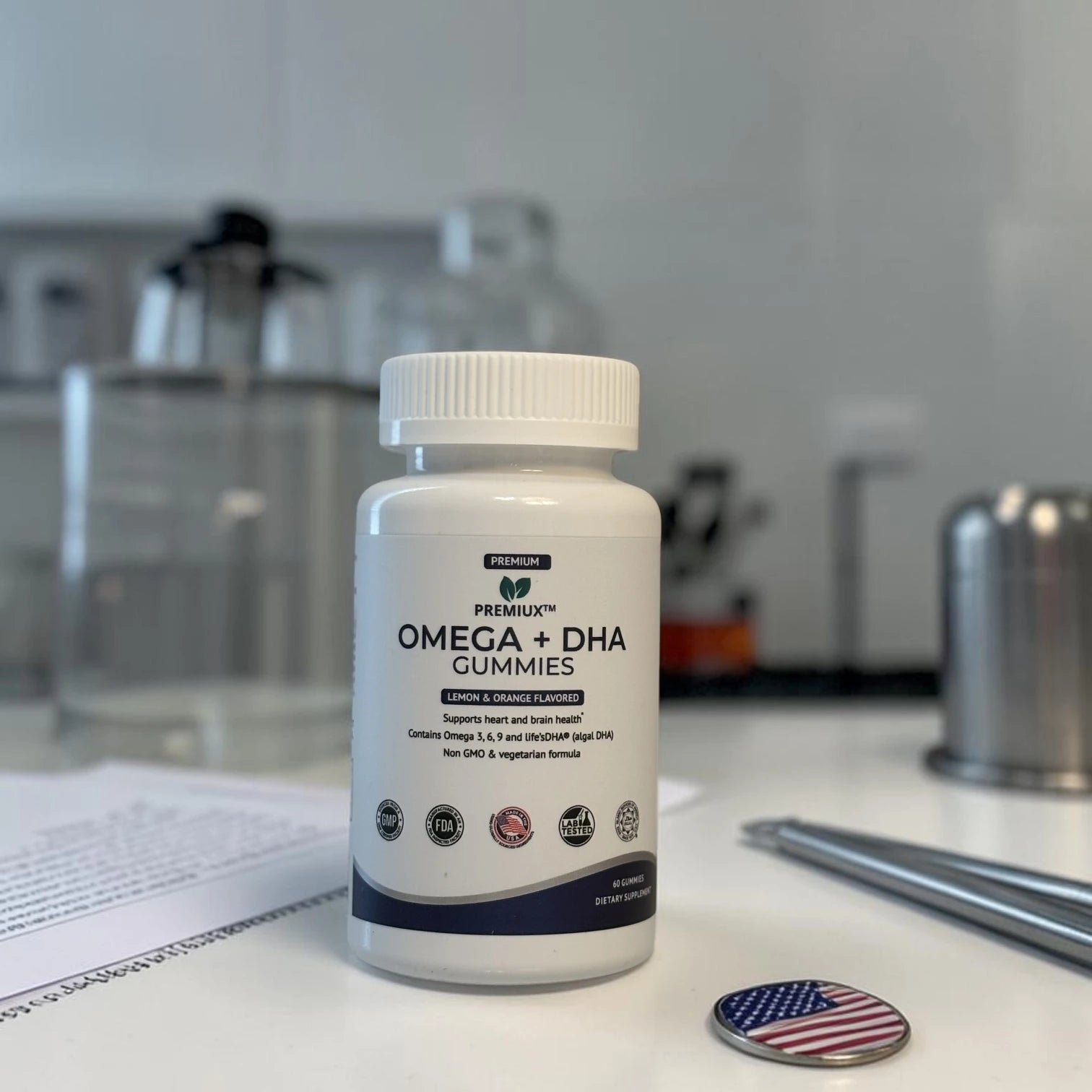
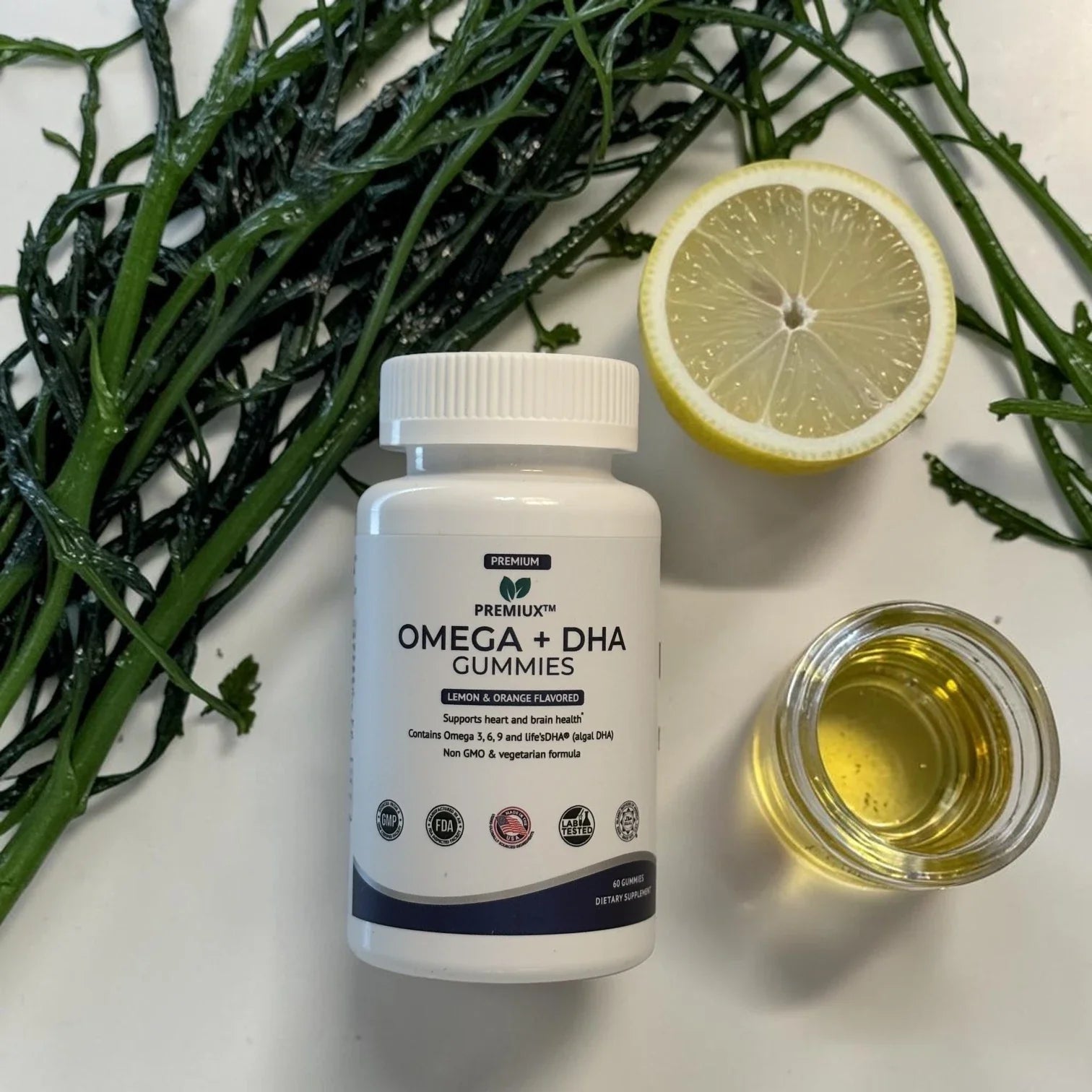
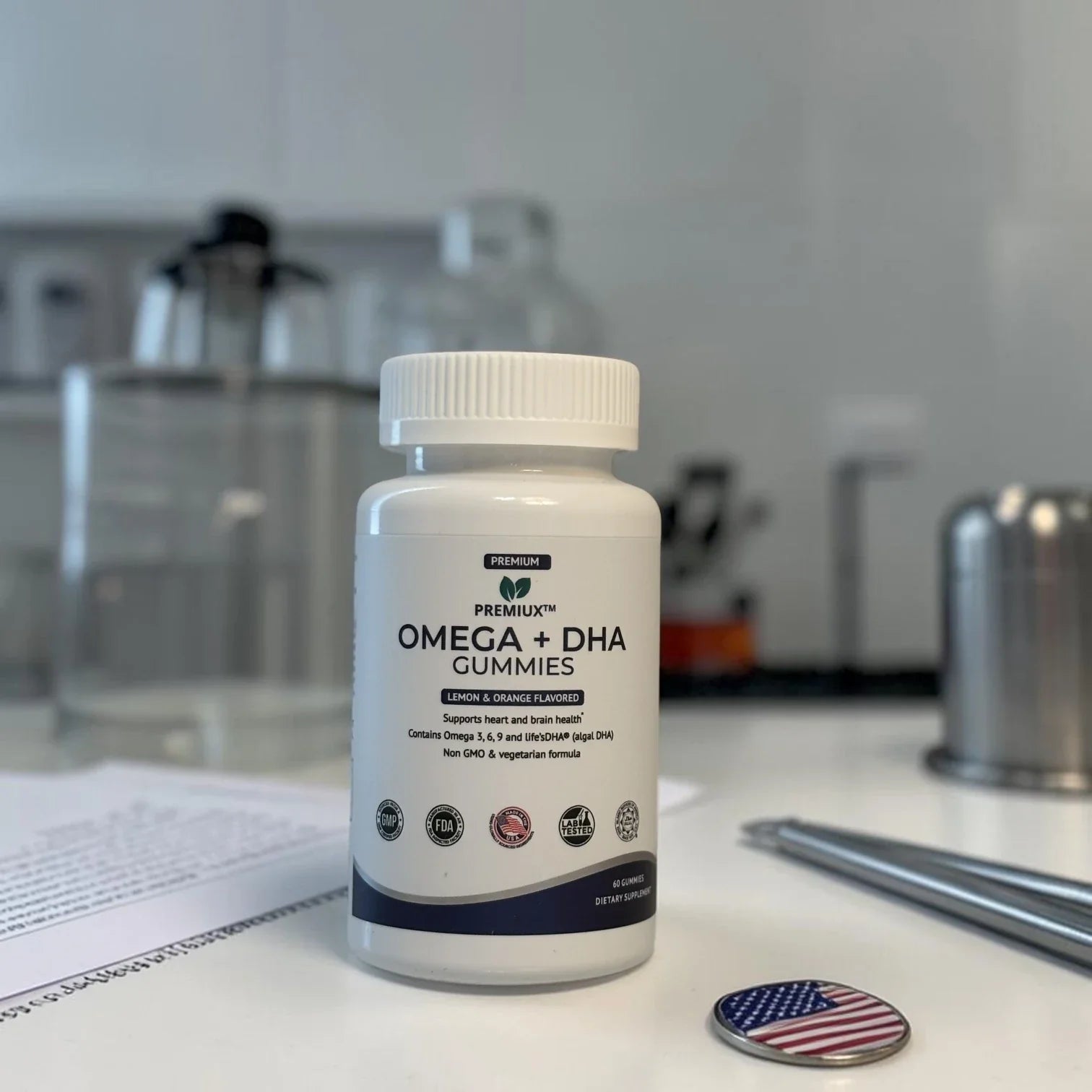
At Premiux, every batch is independently tested by a third-party laboratory, and we publish the Certificate of Analysis on each product page. Not as a badge. As a document you can read, verify, and make an informed decision from.
That should be the industry standard. Until it is, it's your most important buying criterion.
These statements have not been evaluated by the Food and Drug Administration. This product is not intended to diagnose, treat, cure, or prevent any disease.
References: Crawford C, et al. Analysis of Select Dietary Supplement Products Marketed to Support or Boost the Immune System. JAMA Network Open. 2022;5(8):e2226040.
Operation Supplement Safety (OPSS). Why is Third-Party Certification Important for Dietary Supplements? Uniformed Services University, 2023.

Leave a comment
This site is protected by hCaptcha and the hCaptcha Privacy Policy and Terms of Service apply.